Comprehensive Protective Packaging Solutions for Fragile Products and Global Shipping
Product protection has become an essential part of modern logistics as businesses increasingly depend on efficient domestic and international shipping. Products can experience repeated handling, vibration, impacts, friction, compression, and movement before they reach their final destination. Without suitable packaging, these conditions can affect product quality and create unnecessary risks for manufacturers, exporters, retailers, and e-commerce businesses.
Protective packaging provides a practical solution by creating cushioning and additional layers between products and external transportation conditions. From inflatable materials and foam to mailers, stretch wrap, tape, and corrugated boxes, different packaging products can be combined to meet specific shipping requirements. Established in 2009, Mailongpak manufactures and exports a wide selection of packaging materials designed to support safer product handling and transportation, with products reaching overseas markets in more than 30 countries.
The Growing Importance of Protective Packaging
Modern supply chains involve multiple stages of transportation and handling. A product may move from a manufacturing facility to a warehouse, distribution center, transportation vehicle, and final delivery location. Each transition creates an opportunity for unwanted movement or physical impact.
A properly designed packaging system helps reduce these risks by keeping products cushioned, separated, and securely positioned. The right materials can help protect against collision damage and surface attrition while providing additional support for products that require careful handling during logistics transportation.
Creating a Cushioning Barrier
Cushioning materials provide a protective layer between the product and the external package. Inflatable bubble film, pillow film, air column rolls, and air column bags can be used to surround products or fill appropriate spaces within cartons, helping reduce the direct effect of impacts.
Limiting Product Movement
Excessive movement inside a box can cause products to rub against packaging surfaces or each other. Foam and inflatable materials can help fill gaps and keep items more stable, reducing unnecessary movement during transportation.
Wide-Ranging Packaging Materials for Different Products
Different products have different protection requirements. A small consumer item may require a lightweight mailer, while a fragile or valuable product may need several layers of cushioning inside a durable box. Having access to multiple packaging formats allows businesses to create solutions according to product characteristics and shipping conditions.
Inflatable Bubble and Pillow Film
Inflatable bubble and pillow film offers flexible cushioning for wrapping products and filling empty spaces. These materials are useful for businesses looking for lightweight protective solutions that can be incorporated into different packing processes.
Air Column Rolls and Air Column Bags
Air column packaging provides cushioning through a series of air-filled columns. Air column rolls can be adapted for various product sizes and packaging arrangements, while air column bags can provide dedicated protection around suitable products. They are particularly useful for items that require additional cushioning against transportation impacts.
EPE and EVA Foam
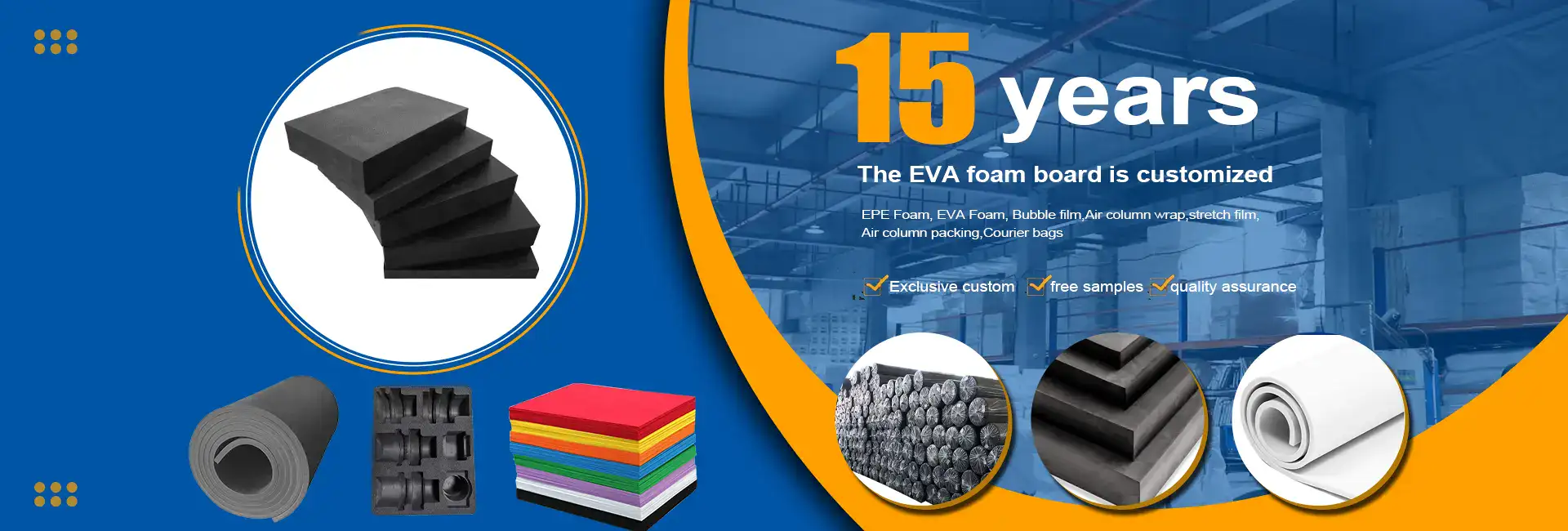
EPE and EVA foam are versatile materials that can be used for padding, separation, cushioning, and product positioning. Their flexible structure allows them to be used in different packaging configurations and around areas that require additional protection.
Mailers, Stretch Wrap, and Corrugated Boxes
Poly mailers and bubble mailers are convenient options for smaller products and e-commerce shipments. Stretch wrap can help stabilize multiple packages or palletized loads. BOPP tape provides a practical solution for securing cartons, while corrugated boxes offer structural protection for a wide range of products.
How to Develop an Effective Protective Packaging Process
Choosing protective packaging should begin with a clear understanding of the product and the conditions it may experience during transportation. Businesses should consider dimensions, weight, fragility, surface characteristics, shipping distance, handling frequency, and potential impact risks.
Assess Product Vulnerabilities
Identify the areas most likely to be affected by impacts, pressure, friction, or movement. Fragile components may require additional cushioning, while products with sensitive surfaces may need protective film or foam to minimize direct contact.
Select Appropriate Cushioning
Choose cushioning based on the product's requirements. Inflatable films can provide flexible protection, air column products can surround individual items, and EPE or EVA foam can provide padding and separation where additional support is needed.
Secure the Product Inside the Package
After placing the product inside the outer container, check for excessive empty space. Appropriate cushioning materials can help keep the product in position and reduce unnecessary movement during transportation.
Seal and Stabilize the Shipment
The final step is securing the outer packaging. BOPP tape can help seal cartons, while stretch wrap can stabilize grouped packages and palletized shipments. The completed package should be secure without applying unnecessary pressure to the product.
Important Features to Consider When Selecting Packaging
Material quality is an important consideration when developing a packaging strategy. Businesses should evaluate durability, flexibility, cushioning performance, ease of handling, storage requirements, and compatibility with their existing packing procedures.
Consistency is also valuable for companies that process large shipping volumes. Reliable packaging materials can make packing procedures easier to standardize across warehouses and fulfillment operations. Businesses should also consider whether the materials can accommodate different product sizes and shipping formats.
For products with specific static-related concerns, packaging selection should be based on the product's characteristics and transportation requirements. A complete packaging strategy considers collision, attrition, movement, and other relevant risks rather than relying on a single protective layer.
Why Businesses Choose an Experienced Packaging Supplier
Finding a supplier with a broad product portfolio can make packaging procurement more convenient. Businesses that ship multiple types of products may need several different materials rather than a single packaging solution. Working with an experienced manufacturer can provide access to complementary products that can be combined into complete packaging systems.
Companies searching for a reliable Custom Protective Packaging manufacturer can explore a comprehensive selection of protective materials from Mailongpak. Established in 2009, the company manufactures inflatable bubble and pillow film, air column rolls, air column bags, EPE and EVA foam, poly mailers, stretch wrap, bubble mailers, BOPP tape, and corrugated boxes.
The company's products have been exported to overseas markets in more than 30 countries, giving businesses involved in international logistics access to a wide range of packaging options. This broad product selection can help manufacturers, exporters, distributors, retailers, and e-commerce companies select materials according to their individual packaging requirements.
Building a More Reliable Shipping Strategy
Protective packaging is an important component of safe and organized logistics. The right combination of cushioning, foam, wrapping, mailers, sealing materials, and corrugated boxes can help reduce transportation-related risks while supporting efficient packing operations.
Businesses can create customized packaging processes by matching materials to product characteristics and transportation conditions. Inflatable films and air column solutions can provide cushioning, foam can offer separation and padding, mailers can simplify smaller shipments, and corrugated boxes can provide structural support. Stretch wrap and BOPP tape can then help secure packages for handling and transportation.
For companies seeking reliable packaging materials, broad product choices, and established manufacturing experience, working with a Custom Protective Packaging manufacturer can support a more organized and dependable approach to product protection. With manufacturing experience since 2009 and exports to more than 30 countries, Mailongpak provides a comprehensive range of packaging solutions for businesses focused on protecting products throughout domestic and international logistics.