Battery Charger for E-Scooter: A Complete Guide to Modern Charging Solutions
Electric scooters have become an increasingly practical option for daily transportation, short-distance commuting, and personal mobility. As the use of electric scooters grows, dependable charging equipment becomes an important part of the overall riding experience. The battery is the core energy-storage component of an e-scooter, and the charger provides the electrical power needed to replenish that stored energy. Selecting suitable charging equipment requires attention to battery chemistry, voltage, charging current, connector design, and other technical specifications.
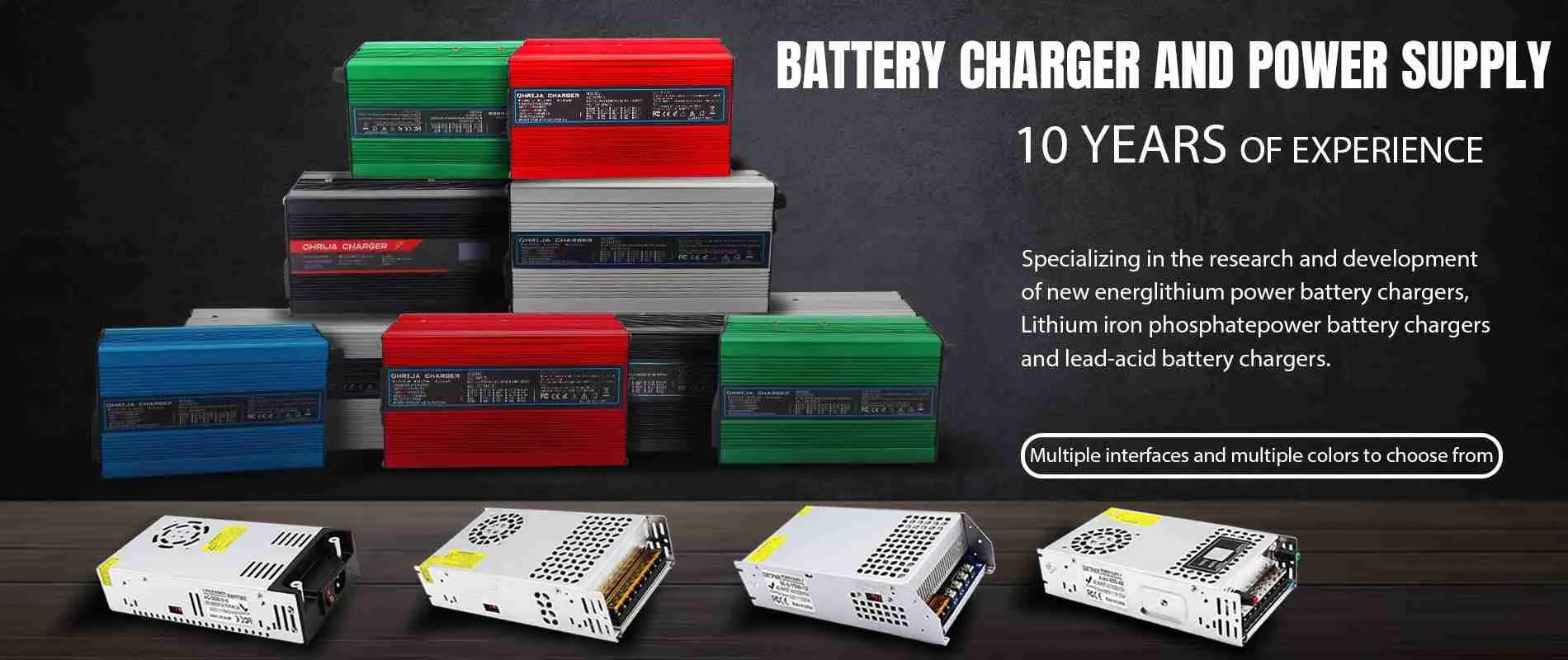
OHRIJA offers a broad selection of charging and power products for different applications. The OHRIJA brand belongs to Dongguan Hengruihong Technology Co., Ltd., which was established in 2020 and is headquartered in Dongguan, Guangdong Province, China. As a high-tech enterprise integrating R&D, production, and sales, the company develops and supplies products including lithium battery chargers, lithium iron phosphate battery chargers, lead-acid battery chargers, golf cart chargers, power adapters, switching power supplies, and other related solutions.
Why Choosing the Correct E-Scooter Charger Matters
Not every charger is suitable for every electric scooter. Battery systems can differ in chemistry, voltage, capacity, charging current, and connection design. A charger should therefore be selected according to the specifications of the particular battery rather than simply based on whether its connector appears to fit.
When searching for a Battery charger for e scooter, users should first identify the battery type and required charging parameters. Reviewing the original charger label, battery documentation, or scooter manufacturer's specifications can provide useful information for selecting compatible charging equipment.
Battery Chemistry Is an Important Consideration
Different battery technologies require different charging approaches. Lithium batteries, lithium iron phosphate batteries, and lead-acid batteries are all used in various electrical applications, but they do not necessarily share the same charging requirements.
For this reason, identifying the battery chemistry should be one of the first steps in charger selection. Once the battery type is established, users can focus on chargers designed for that particular technology and then compare voltage, current, connector, and other specifications.
Important Features to Review Before Buying
A suitable charging solution should be evaluated using several specifications. Looking at the complete technical profile makes it easier to determine whether a charger is appropriate for a particular e-scooter battery.
Output Voltage
Output voltage is one of the primary specifications to check. The charger should provide the voltage required by the battery system. Users should compare the charger's stated output with the battery manufacturer's recommended charging specifications before connecting or purchasing the equipment.
Charging Current
Charging current determines the rate at which electrical energy is supplied to the battery. Different battery systems can have different recommended charging-current ranges. Selecting equipment according to the manufacturer's specified requirements is more appropriate than choosing a charger simply because it offers a higher output.
Connector and Polarity
Physical compatibility is also important. Chargers may use different connector sizes and configurations, while polarity must also correspond correctly with the charging system. Before purchasing replacement equipment, users should verify the connector and electrical configuration instead of relying only on visual similarity.
Input Power Requirements
The charger's input requirements should match the electrical supply available in the intended location. Checking input voltage and other relevant specifications can help users select equipment suitable for their operating environment.
How an E-Scooter Battery Charger Works
An electric scooter charger receives electrical power from an external source and converts it into an output appropriate for the connected battery system. The charger supplies electrical energy through the charging port according to its designed voltage and current characteristics.
Using a charger generally begins with confirming compatibility between the charger and battery. After checking the specifications, the charger can be connected to the appropriate electrical supply and then to the scooter or battery charging port according to the manufacturer's instructions. Users should follow the operating guidance supplied with their particular equipment throughout the charging process.
Checking the Original Charger
When replacing an existing charger, the original unit can serve as a useful reference. Users can record its output voltage, charging current, connector information, input requirements, and battery type. These specifications can then be compared with the replacement product before making a purchase.
OHRIJA Battery Charging Product Range
OHRIJA provides several categories of battery charging products, allowing customers to explore charging solutions according to different battery technologies and applications. The company's portfolio includes lithium battery chargers, lithium iron phosphate battery chargers, lead-acid battery chargers, and golf cart chargers.
In addition to battery charging equipment, the product range includes power adapters and switching power supplies. This broader selection makes OHRIJA relevant to various power conversion and electronic equipment requirements beyond electric scooters.
Lithium Battery Charger Solutions
Lithium batteries are widely used in modern portable and electric mobility applications. A lithium battery charger should be selected according to the specific battery voltage and charging requirements. Customers can review their battery specifications and compare them with the relevant charging products available through OHRIJA.
Lithium Iron Phosphate Battery Chargers
Lithium iron phosphate, commonly known as LiFePO4, represents another battery chemistry with its own charging requirements. OHRIJA includes lithium iron phosphate battery chargers in its product range, giving customers an option to explore when working with this type of battery technology.
Lead-Acid and Golf Cart Chargers
Lead-acid batteries continue to be used in a range of applications, while golf carts have dedicated charging requirements. OHRIJA's lead-acid battery chargers and golf cart chargers extend the company's product offering to additional battery-powered equipment categories.
Benefits of Selecting an Application-Focused Charging Solution
Choosing charging equipment based on the actual application can make the purchasing process more organized. Instead of selecting a generic charger, users can evaluate the battery chemistry, electrical specifications, connector, and intended use before deciding which product category fits their needs.
This approach can also be useful for businesses and distributors that handle multiple types of battery-powered equipment. A product portfolio covering different charging technologies provides more options when evaluating solutions for different customers or projects.
Why Explore OHRIJA for Battery and Power Products?
OHRIJA operates under Dongguan Hengruihong Technology Co., Ltd., which was established in 2020 in Dongguan, Guangdong Province, China. The company integrates research and development, production, and sales, providing a foundation for its range of battery chargers and power-related products.
Multiple Charging Categories
Customers can explore products for lithium batteries, lithium iron phosphate batteries, lead-acid batteries, and golf carts within the OHRIJA range. This variety allows users to focus on their particular battery technology instead of approaching every charging requirement in the same way.
Broader Power Solutions
Beyond chargers, OHRIJA also supplies power adapters and switching power supplies. These products address additional power conversion and supply requirements, making the company's portfolio relevant to a wider range of electronic and battery-powered applications.
Practical Tips for Choosing an E-Scooter Charger
Before ordering a charger, users should make a checklist of the battery chemistry, nominal voltage, required charging current, connector type, polarity, and input power requirements. Comparing this information with the specifications of a potential charger provides a clearer basis for making a purchase decision.
It is also important to follow the scooter and battery manufacturer's instructions. If any specification is unclear, users should obtain confirmation from the manufacturer or supplier before connecting a replacement charger. Careful specification matching is particularly important when replacing an original charging unit.
Conclusion
A suitable charger is an essential component of an electric scooter's battery system. Choosing the right equipment involves more than finding a compatible-looking connector. Battery chemistry, output voltage, charging current, connector configuration, polarity, and input requirements should all be reviewed before selecting a charging solution.
OHRIJA provides a diverse selection of battery chargers and power products, including lithium battery chargers, lithium iron phosphate battery chargers, lead-acid battery chargers, golf cart chargers, power adapters, and switching power supplies. With Dongguan Hengruihong Technology Co., Ltd. integrating R&D, production, and sales, OHRIJA offers customers multiple product categories to explore for different charging and power requirements. Visit OHRIJA to discover its charging solutions and identify the product specifications that best correspond with your e-scooter battery or other power application.