Advanced Electronics Manufacturing With PCBA, Microelectronics, and Systems Integration
Electronics manufacturing has become increasingly complex as modern products require smaller components, sophisticated circuit designs, dependable assembly processes, and carefully coordinated supply chains. From industrial electronics and communication equipment to specialized technology products, manufacturers need production capabilities that can support multiple stages of development and assembly. A comprehensive manufacturing partner can help connect these stages while providing the technical expertise and resources needed for consistent production.
Wintech provides a broad range of electronics manufacturing services built around advanced manufacturing technologies and supply chain management capabilities. With experience in microelectronics, printed circuit board assembly (PCBA), and systems integration ranging from simple assemblies to complex electronic systems, the company provides businesses with a connected approach to production. This combination allows different manufacturing requirements to be managed through an organized and flexible production environment.
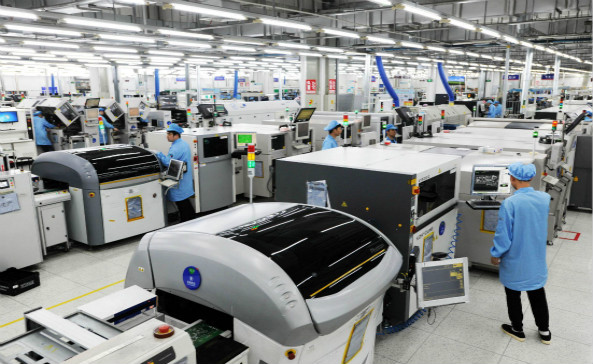
Modern PCBA Manufacturing for Diverse Electronics Products
Printed circuit board assembly is a fundamental part of electronic product manufacturing. PCBA transforms a bare circuit board into a functional electronic assembly by accurately placing and connecting the required components. Depending on the product, an assembly may contain numerous component types, compact packages, high-density layouts, and specialized electrical requirements.
Reliable PCBA production requires more than simply assembling components. Manufacturing teams must work with detailed technical documentation, appropriate production processes, material requirements, inspection procedures, and product specifications. A structured approach helps maintain consistency while supporting different board designs and production requirements.
Flexible Assembly for Different Production Needs
Electronics manufacturers may work with prototypes, specialized assemblies, recurring production programs, or products that gradually increase in production volume. A flexible manufacturing operation can adapt its processes according to the requirements of each project. This flexibility helps businesses manage changing production needs without unnecessarily complicating their manufacturing workflow.
Microelectronics Expertise for Precision Manufacturing
As electronic products become more compact, microelectronics has become an increasingly important part of modern manufacturing. Smaller components and dense circuit layouts can create additional requirements for production accuracy, handling, inspection, and process management.
Experience in microelectronics provides a valuable foundation for projects involving specialized electronic assemblies. Combining this expertise with PCBA manufacturing allows a production partner to support products that require both conventional circuit assembly and more detailed electronic manufacturing capabilities.
Maintaining Accuracy Throughout Production
Precision must be considered across the complete manufacturing workflow. Component handling, assembly, inspection, documentation, and subsequent integration all contribute to the quality and consistency of the finished assembly. Coordinating these stages helps create a more controlled production process and supports products with demanding technical specifications.
Supply Chain Management as Part of Electronics Production
Supply chain management plays an essential role in electronics manufacturing because production depends on the timely availability of components and materials. A delay in sourcing can affect assembly schedules, production planning, and delivery timelines. For this reason, material management needs to remain closely connected with manufacturing operations.
Wintech combines supply chain management capabilities with electronics manufacturing experience to help coordinate materials and production requirements. By connecting sourcing considerations with manufacturing planning, businesses can develop a more organized approach to component availability and production scheduling.
Coordinating Components and Production Schedules
An effective supply chain process begins with a clear understanding of the components required for a product. Material planning can then be coordinated with expected production volumes and manufacturing schedules. This approach can help reduce unnecessary disruptions and create better visibility across different stages of an electronics project.
Systems Integration From Individual Assemblies to Complete Products
Many electronic products require several assemblies to work together as one finished system. A PCB may be only one component of a larger product that includes multiple electronic boards, wiring, mechanical parts, enclosures, interfaces, and other subsystems. Systems integration brings these individual elements together according to the product's technical requirements.
Wintech's experience with simple to complex systems integration extends its manufacturing capabilities beyond individual circuit boards. This broader approach allows businesses to consider PCBA, component management, assembly, and system-level production as connected parts of one manufacturing process.
Connecting Multiple Manufacturing Processes
When several production stages are coordinated through one manufacturing workflow, communication between teams can become more straightforward. Technical specifications can be considered across assembly and integration stages, while production planning can account for the requirements of the complete product rather than only one individual component.
Important Features of an Integrated Electronics Manufacturing Service
Businesses evaluating an electronics manufacturing partner often consider several capabilities before selecting a service provider. Manufacturing technology is important, but it is only one part of the overall production equation. Experience, supply chain coordination, PCBA knowledge, microelectronics capabilities, and systems integration expertise can also influence how effectively a provider can support a project.
Important features include advanced manufacturing equipment and processes, organized production management, component coordination, technical manufacturing experience, and the ability to support products with different levels of complexity. These capabilities can provide a stronger foundation for businesses that need manufacturing support across multiple stages.
How an Integrated Electronics Manufacturing Process Works
A typical manufacturing project begins with product specifications, design documentation, bills of materials, component requirements, and other technical information. These details provide the foundation for determining the appropriate manufacturing workflow and identifying the resources required for production.
Material requirements can then be coordinated with sourcing and production planning. Once the necessary components and materials are available, PCBA manufacturing can proceed according to the product specifications. Inspection and production checks form important parts of the process before assemblies move to additional manufacturing or integration stages.
For products requiring broader assembly, individual electronic components and assemblies can then be incorporated into the final system. This creates a connected path from initial production planning through PCB assembly and system-level integration.
Why Businesses Look for Broader Manufacturing Capabilities
Electronic product requirements can change significantly throughout a project's lifecycle. A business may initially need PCB assembly and later require additional sourcing support, microelectronics manufacturing, or systems integration. Having access to broader capabilities can simplify the process of managing these changing requirements.
For companies seeking a manufacturing partner with experience across several areas of electronics production, the Wintech PCBA Manufacturer provides a combination of PCBA, microelectronics, supply chain management, and systems integration services. This integrated approach gives businesses a practical manufacturing resource for projects involving both individual electronic assemblies and more complex finished systems.
Supporting Product Development and Production Expansion
A capable manufacturing partner should be prepared to work with different production requirements as a product develops. Changes in component specifications, assembly requirements, product configurations, or production volumes can create new manufacturing challenges. Broader technical capabilities allow production processes to be adjusted around these requirements while keeping the overall workflow organized.
Benefits of a Connected Manufacturing Strategy
One of the key benefits of an integrated manufacturing strategy is improved coordination between different production activities. Instead of treating sourcing, PCBA, microelectronics, and systems integration as completely independent functions, these capabilities can be considered together as part of the overall manufacturing plan.
This approach can also help businesses simplify communication, coordinate production schedules, and manage technical requirements more efficiently. When manufacturing processes are connected, teams can maintain a clearer understanding of how individual assemblies contribute to the final product.
For complex electronics projects, this broader perspective is particularly useful. It allows manufacturing decisions to be considered in relation to the complete system rather than focusing only on isolated production stages.
Creating a Strong Foundation for Electronics Production
Modern electronics manufacturing requires a combination of technology, technical experience, supply chain coordination, and production flexibility. PCBA provides the foundation for many electronic products, while microelectronics expertise supports specialized and compact designs. Supply chain management helps keep materials aligned with production requirements, and systems integration connects individual assemblies into complete solutions.
Wintech brings these capabilities together to support electronics manufacturing projects with different levels of complexity. Its experience across microelectronics, PCBA, advanced manufacturing technologies, supply chain management, and systems integration provides businesses with a broader resource for managing electronic production.
Moving Forward With Integrated Electronics Manufacturing
A successful electronics manufacturing strategy depends on having the right combination of production capabilities and coordinated processes. Businesses need manufacturing partners that can understand technical requirements, manage materials, support PCBA production, and contribute to system-level assembly when necessary.
With advanced manufacturing technologies, supply chain management capabilities, and experience ranging from microelectronics and printed circuit board assembly to simple and complex systems integration, Wintech offers a comprehensive approach to electronics manufacturing. For companies seeking dependable production expertise and broader manufacturing support, partnering with Wintech can provide a practical path toward efficient, well-coordinated, and scalable electronics production.