Choosing the Right Battery Charging Technology: How Ohrija Supports Modern Power Applications
Reliable battery charging is an essential part of modern technology. From electric golf carts and industrial equipment to everyday electronic devices, batteries need suitable charging solutions to maintain performance, operate safely, and deliver dependable power over time. As battery-powered equipment becomes increasingly common, choosing a charger designed for the correct battery chemistry and application has become more important than ever.
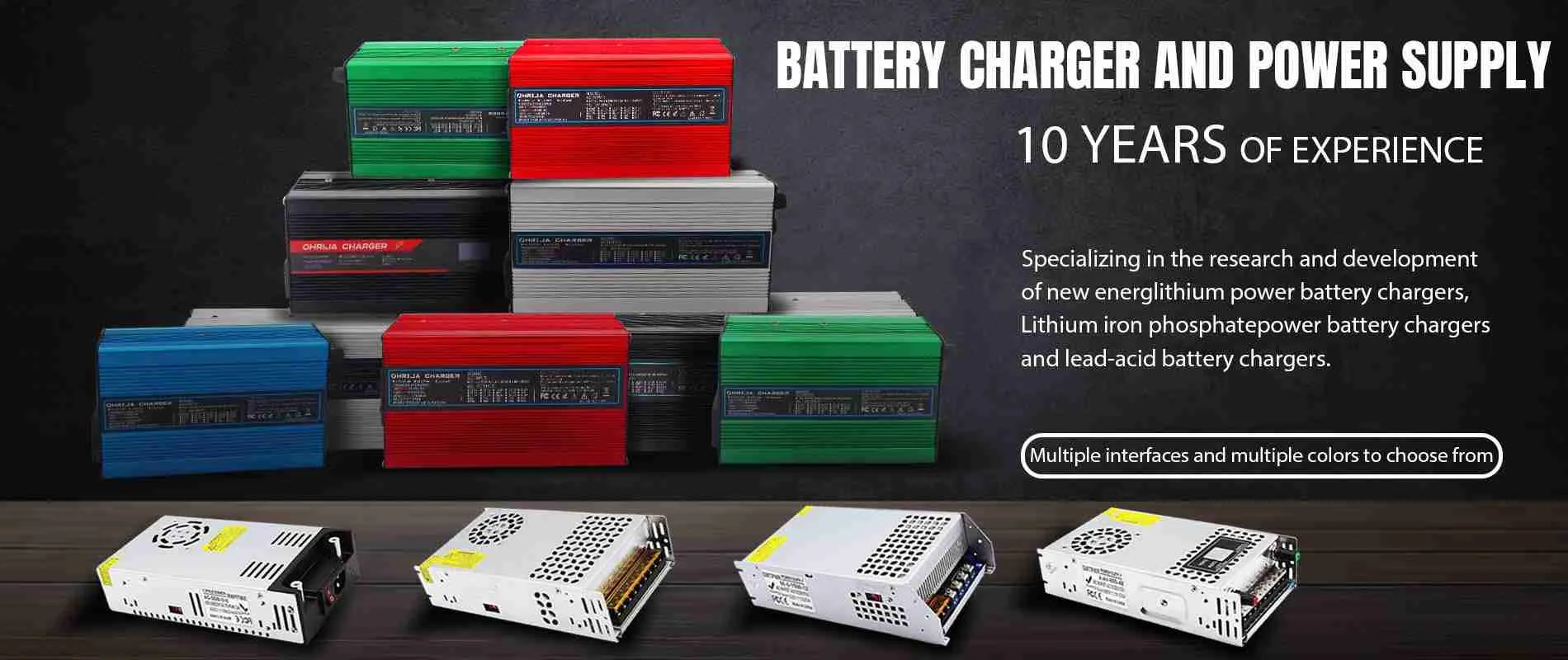
OHRIJA is a brand associated with Dongguan Hengruihong Technology Co., Ltd., a technology company established in 2020 and headquartered in Dongguan, Guangdong Province, China. Operating as a high-tech enterprise that integrates research and development, manufacturing, and sales, the company focuses on developing practical power solutions for different industries. Its product portfolio includes lithium battery chargers, lithium iron phosphate battery chargers, lead-acid battery chargers, golf cart chargers, power adapters, and switching power supplies.
For individuals and businesses looking for dependable charging equipment, understanding the differences between these products can make purchasing decisions easier. Through its product range and manufacturing focus, Ohrija Battery charger solutions address a variety of charging requirements across residential, commercial, and industrial applications.
Why Battery Charger Selection Matters
A battery charger does more than transfer electricity into a battery. It manages the charging process according to the battery's requirements, helping maintain suitable voltage and current throughout operation. Using an unsuitable charger can lead to inefficient charging, reduced battery performance, or unnecessary wear.
Different battery technologies have different electrical characteristics. Lithium-ion batteries, lithium iron phosphate batteries, and traditional lead-acid batteries cannot always use the same charging equipment. Their charging voltage, current requirements, and charging stages may differ considerably.
For this reason, selecting a charger specifically designed for the intended battery type is an important step. A properly matched charging solution can support consistent operation while helping users get more value from their battery-powered equipment.
A Diverse Product Range for Different Charging Requirements
One of the important aspects of Dongguan Hengruihong Technology Co., Ltd. is its focus on several categories of charging and power supply equipment. Rather than concentrating on a single application, the company develops products intended to serve different battery systems and electronic devices.
Lithium Battery Chargers
Lithium battery chargers are designed for rechargeable lithium-based battery systems commonly found in portable electronics, electric equipment, and various industrial applications. These chargers need to provide charging parameters that match the battery specifications.
Depending on the battery design, the charging process generally involves controlled current and voltage stages. Appropriate charging equipment helps maintain the required electrical conditions and supports reliable everyday use.
Lithium Iron Phosphate Battery Chargers
Lithium iron phosphate, commonly known as LiFePO4, is a battery chemistry used in energy storage systems, electric vehicles, recreational equipment, and other applications. It is valued for its thermal stability, long cycle life, and consistent performance.
However, LiFePO4 batteries have specific charging requirements. A dedicated charger should match the battery's nominal voltage, recommended charging voltage, and current limitations. Choosing equipment developed for this chemistry helps ensure compatibility and supports proper battery operation.
Lead-Acid Battery Chargers
Lead-acid batteries remain widely used in vehicles, backup power systems, industrial machinery, and other electrical applications. Their established technology and availability make them a practical choice for many users.
Modern lead-acid charging equipment can incorporate different charging stages, including bulk, absorption, and float charging, depending on the charger design. These stages help manage the charging process and maintain the battery according to its specifications.
Golf Cart Chargers
Golf carts depend on reliable battery systems to provide consistent power throughout their operation. Whether used on golf courses, residential communities, resorts, or commercial properties, these vehicles require compatible charging equipment.
A suitable golf cart charger should correspond to the vehicle's battery chemistry and voltage configuration. Factors such as charging current, connector compatibility, operating environment, and protection functions are also worth considering when selecting a product.
Power Adapters and Switching Power Supplies
Battery chargers are only one part of the broader power electronics industry. Power adapters and switching power supplies also play an important role in delivering the appropriate electrical output to electronic equipment.
Power adapters convert electrical energy into a form suitable for specific devices. They are commonly used with communication equipment, electronic accessories, household products, and other applications that require regulated power.
Switching power supplies use high-frequency switching technology to regulate electrical output. Their design can offer advantages in efficiency, size, and weight compared with certain traditional power supply configurations. These characteristics make them useful across numerous commercial and industrial environments.
By including these product categories in its portfolio, OHRIJA serves a wider range of power-related requirements beyond conventional battery charging.
Important Features to Consider Before Buying a Battery Charger
Choosing a charger requires more than comparing prices or looking at product appearance. Several technical factors should be evaluated before making a purchase.
1. Battery Chemistry Compatibility
The first consideration is whether the charger supports the intended battery chemistry. Lithium-ion, LiFePO4, and lead-acid batteries require different charging profiles. Always check the manufacturer's battery specifications and charger compatibility information before connecting the equipment.
2. Correct Voltage and Current
Voltage compatibility is essential for proper charging. The charger output must match the battery system's requirements. Charging current should also remain within the limits recommended by the battery manufacturer.
3. Charging Efficiency
Efficiency influences how effectively a charger converts input electricity into usable charging power. A well-designed power conversion system can help reduce unnecessary energy losses and support dependable operation.
4. Safety and Protection Functions
Protection features are important when selecting electrical equipment. Depending on the model, useful functions may include overvoltage protection, overcurrent protection, short-circuit protection, and thermal protection. Buyers should review the actual specifications rather than assume every charger includes identical safeguards.
5. Build Quality and Intended Environment
Charging equipment may operate in workshops, garages, warehouses, golf facilities, or other environments. Housing quality, ventilation, cable construction, and environmental ratings can influence its suitability for a particular application.
How to Use a Battery Charger Correctly
Although charging procedures vary according to the battery and charger design, following a few basic principles can help users operate their equipment more responsibly.
First, identify the battery chemistry and rated voltage. Check the battery documentation to determine the correct charging requirements. Next, select a compatible charger with the appropriate output specifications and connector.
Before connecting the equipment, inspect the cables, connectors, and charger housing for visible damage. Place the charger in a suitable, ventilated location and follow the manufacturer's connection instructions. Once connected, allow the charging process to operate according to the equipment's specified procedure.
Users should avoid exposing chargers to excessive moisture, extreme temperatures, or blocked ventilation. They should also avoid using damaged cables or modifying electrical connections without proper technical knowledge.
Following these precautions can help reduce avoidable problems and support more consistent charging performance.
Why Manufacturing and Research Capabilities Matter
In the power electronics industry, product development involves more than assembling individual components. It requires an understanding of electrical engineering, battery characteristics, manufacturing processes, and quality requirements.
Dongguan Hengruihong Technology Co., Ltd. was established in 2020 with a business model that combines research and development, production, and sales. This integrated approach provides a foundation for coordinating product development with manufacturing and market requirements.
Research and development activities are particularly relevant in a market where battery technologies continue to evolve. As more equipment adopts lithium-based batteries and specialized energy storage systems, charging products must accommodate different electrical specifications and practical operating conditions.
Manufacturing capabilities also matter because consistency is important for electrical products. Buyers often evaluate product specifications, quality control practices, certifications, technical documentation, and after-sales support when choosing a supplier.
Why Customers Consider OHRIJA for Charging Solutions
Customers looking for battery charging equipment often prefer suppliers that offer multiple product categories and understand different application requirements. OHRIJA's product portfolio covers several established battery technologies alongside power adapters and switching power supplies.
This variety can be useful for businesses that work with different types of electrical equipment or need to source multiple power-related products. Instead of treating every charging requirement as identical, buyers can evaluate products according to their battery chemistry, operating voltage, intended application, and technical specifications.
Another consideration is the company's integration of research, manufacturing, and sales. Having these activities within one business structure can support communication between product development and customer requirements.
For prospective buyers, the most effective approach is to review the available product information, confirm technical compatibility, and communicate specific application requirements before placing an order. This helps establish whether a particular charging solution is appropriate for the intended equipment.
Supporting the Changing Needs of Battery-Powered Technology
Battery-powered products are becoming increasingly important across transportation, industrial operations, recreational equipment, and everyday electronics. This growth creates demand for charging equipment that can accommodate different battery chemistries while maintaining suitable electrical performance.
From lithium and LiFePO4 chargers to lead-acid charging systems and golf cart applications, choosing the correct equipment remains essential. Power adapters and switching power supplies further contribute to the infrastructure needed by modern electronic devices.
With its focus on research and development, manufacturing, and a diverse range of power products, OHRIJA represents an option for customers exploring specialized charging and power supply equipment. Anyone planning to purchase a charger should prioritize battery compatibility, electrical specifications, protection functions, and application requirements.
For businesses and individuals seeking practical charging products backed by an established manufacturing focus, visit the official OHRIJA website at Ohrija Battery charger to review its product range and identify solutions suited to their power requirements.