A stroke occurs when blood flow to a part of the brain is suddenly interrupted by a clot or a ruptured blood vessel, depriving brain tissue of vital oxygen and nutrients. Minutes count during a stroke event, making immediate medical intervention critical for survival and long-term recovery. For patients recovering from cerebrovascular events or seeking specialized care, Dr. Shahrukh Neuro Polyclinic provides comprehensive clinical evaluations and targeted neuro-rehabilitation plans.
Understanding the early warning signs of a stroke can mean the difference between full recovery and permanent neurological impairment.
The F.A.S.T. Warning System
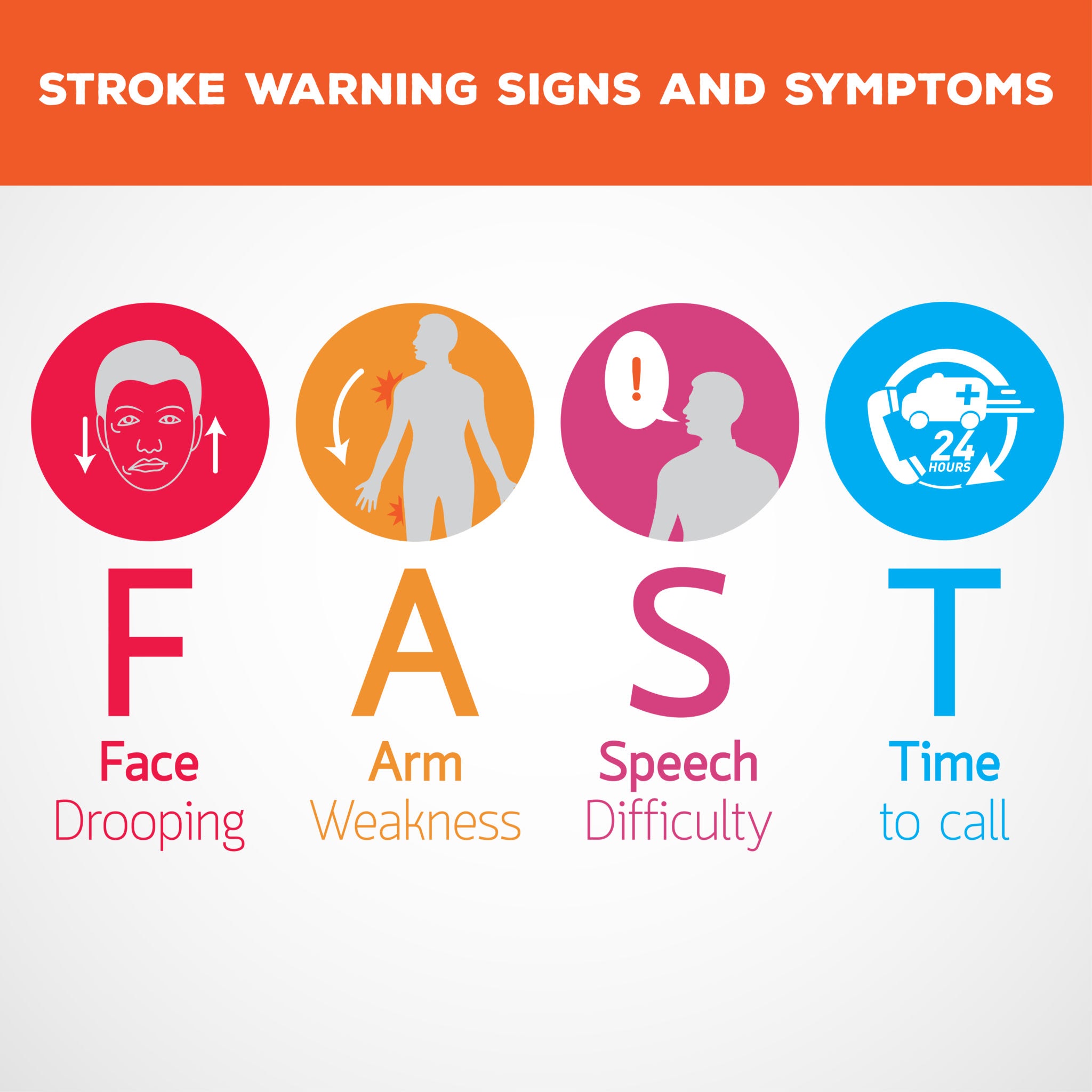
Medical professionals emphasize the F.A.S.T. acronym as a quick, reliable way to identify stroke symptoms:
-
F – Face Drooping: Does one side of the face droop or feel numb? Ask the person to smile to check if their smile is uneven.
-
A – Arm Weakness: Is one arm weak or numb? Ask the person to raise both arms; check if one arm drifts downward.
-
S – Speech Difficulty: Is speech slurred, garbled, or difficult to understand? Ask the person to repeat a simple sentence.
-
T – Time to Call Emergency Services: If you observe any of these symptoms—even if they seem to disappear—seek immediate emergency medical care.
Key Secondary Symptoms of Stroke
While the F.A.S.T. signs cover the most common presentations, strokes can also trigger additional sudden neurological deficits:
-
Sudden Numbness or Weakness: Sudden loss of sensation or strength localized to one side of the body, including the face, arm, or leg.
-
Sudden Confusion: Difficulty understanding speech, processing simple instructions, or communicating clearly.
-
Visual Disturbances: Sudden blurriness, double vision, or complete loss of sight in one or both eyes.
-
Loss of Balance or Coordination: Sudden dizziness, instability while walking, or lack of motor coordination.
-
Severe "Thunderclap" Headache: A sudden, excruciating headache with no known cause, often indicating a hemorrhagic event.
The Role of Post-Stroke Neuro-Rehabilitation
Surviving a stroke is only the first step; restoring independence requires structured rehabilitation:
-
Motor Function & Mobility: Specialized physical therapy exercises help rewire brain pathways (neuroplasticity) to rebuild muscle strength, balance, and motor control.
-
Speech and Cognitive Therapy: Targeted speech therapy restores verbal communication, language processing, and swallowing mechanics.
-
Preventative Vascular Care: Identifying underlying risk factors—such as hypertension, atrial fibrillation, elevated cholesterol, or diabetes—helps prevent recurrent strokes.
Prompt emergency treatment followed by structured rehabilitation gives stroke survivors the highest chance of regaining functional independence.
Disclaimer: This article is strictly for educational purposes and does not substitute for direct medical advice. If you suspect someone is having a stroke, call emergency services immediately.